Read beyond the nominal size
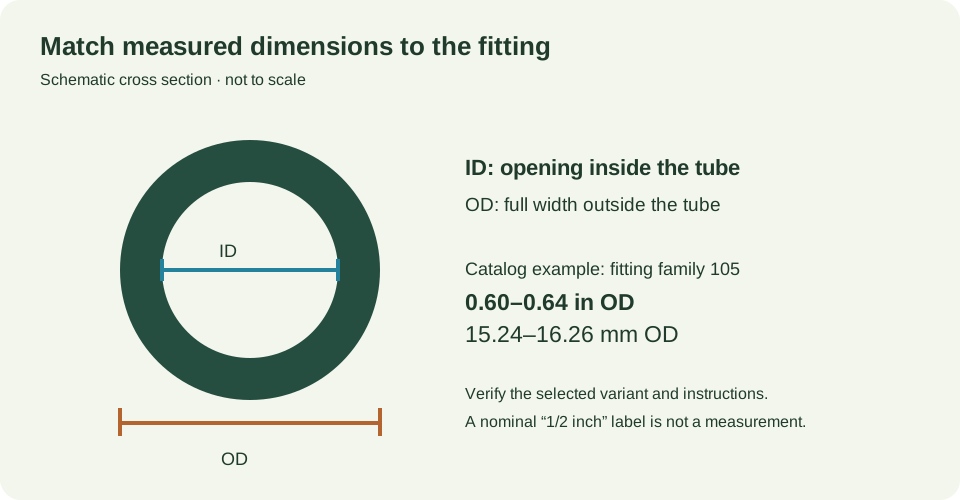
A label such as 1/4 in or 1/2 in names a product family; it does not prove that every connector with the same label fits. Record the actual inside diameter (ID), outside diameter (OD), material and connection style for both parts. In metric units, 1 in equals exactly 25.4 mm, but converting a nominal label does not turn it into a measured diameter.
This checklist is for garden irrigation assemblies. It does not establish potable-water approval, chemical compatibility or pressure ratings. Check those separately in the exact product's documentation. University of Minnesota's drip setup guide explains why compatible components and pressure regulation matter. System setup reference
Match the connection mechanism
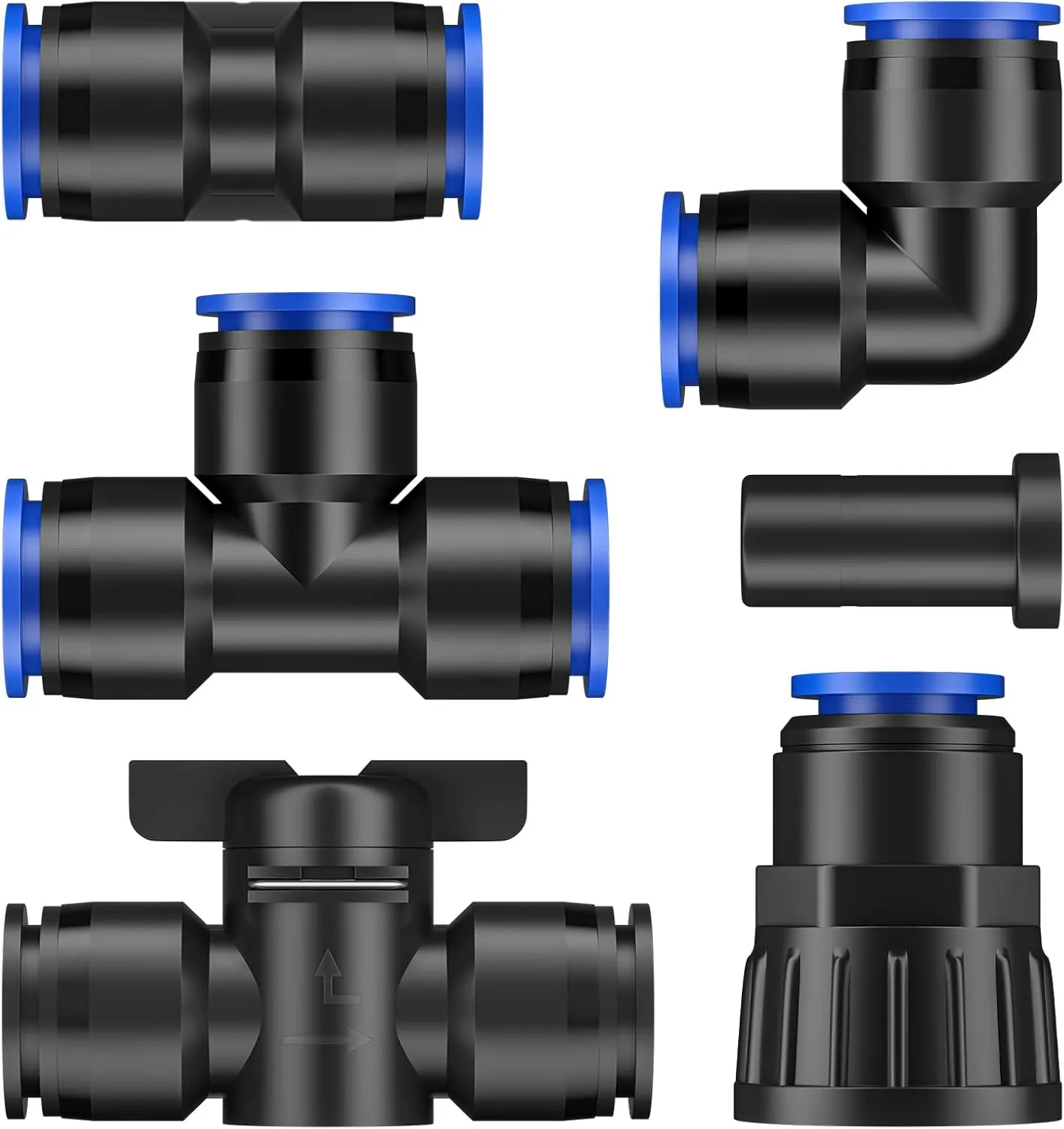
A barb enters the tube, so its specified tubing ID and the tube's flexibility matter. A push-fit or outside-gripping fitting generally needs a specified OD and suitable wall properties. A threaded adapter has its own thread specification; do not force different thread standards together because their diameters appear similar. Follow the specific fitting instructions for cutting, insertion and any locking collar.
PE means polyethylene. PVC means polyvinyl chloride; flexible PVC tubing and rigid PVC pipe are not interchangeable descriptions. Material names alone cannot determine which fitting, adhesive or pressure is acceptable. Do not apply PVC solvent cement to PE or to a push-fit joint unless the exact manufacturer instructions explicitly require an approved method.
A real catalog example
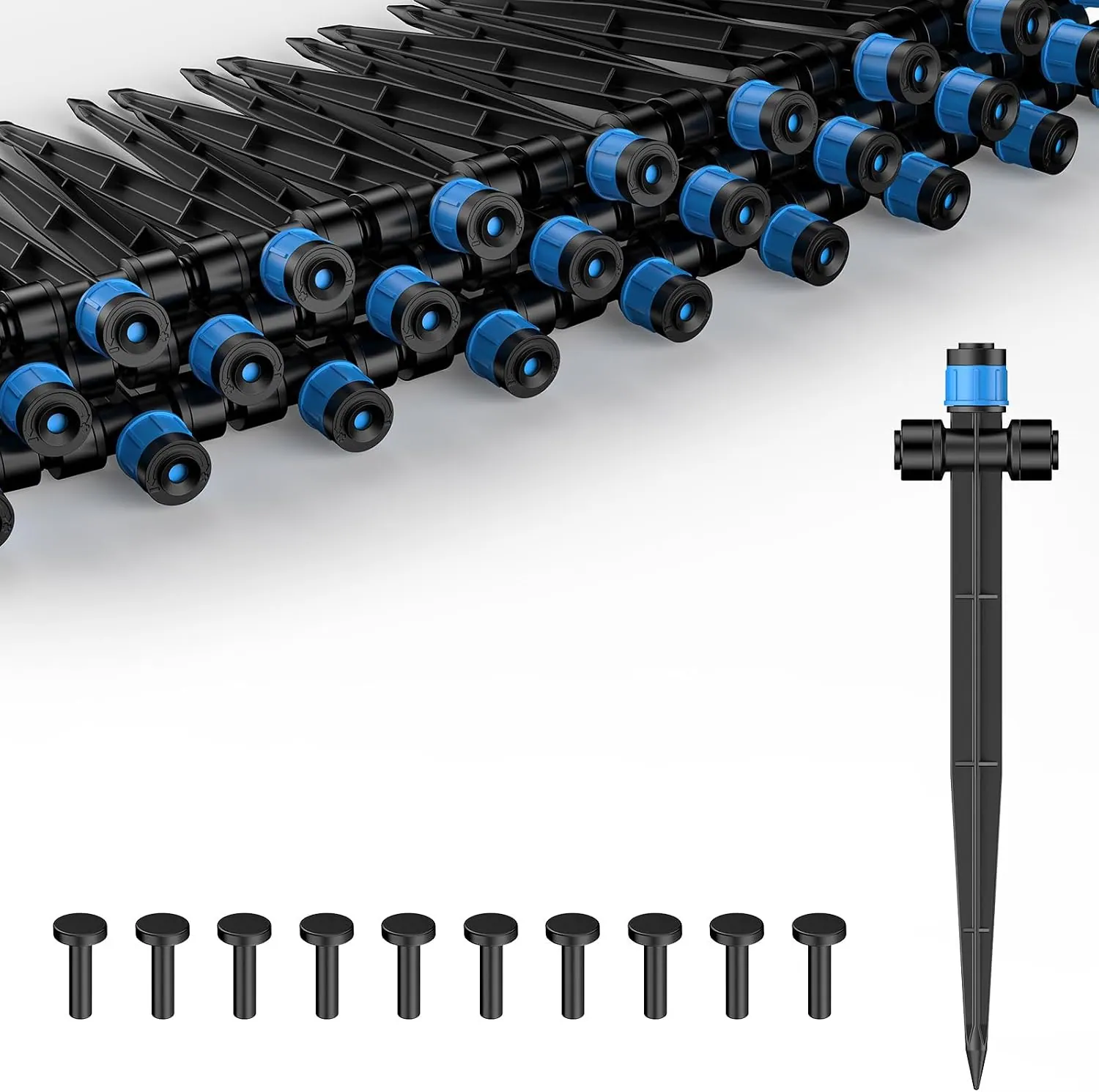
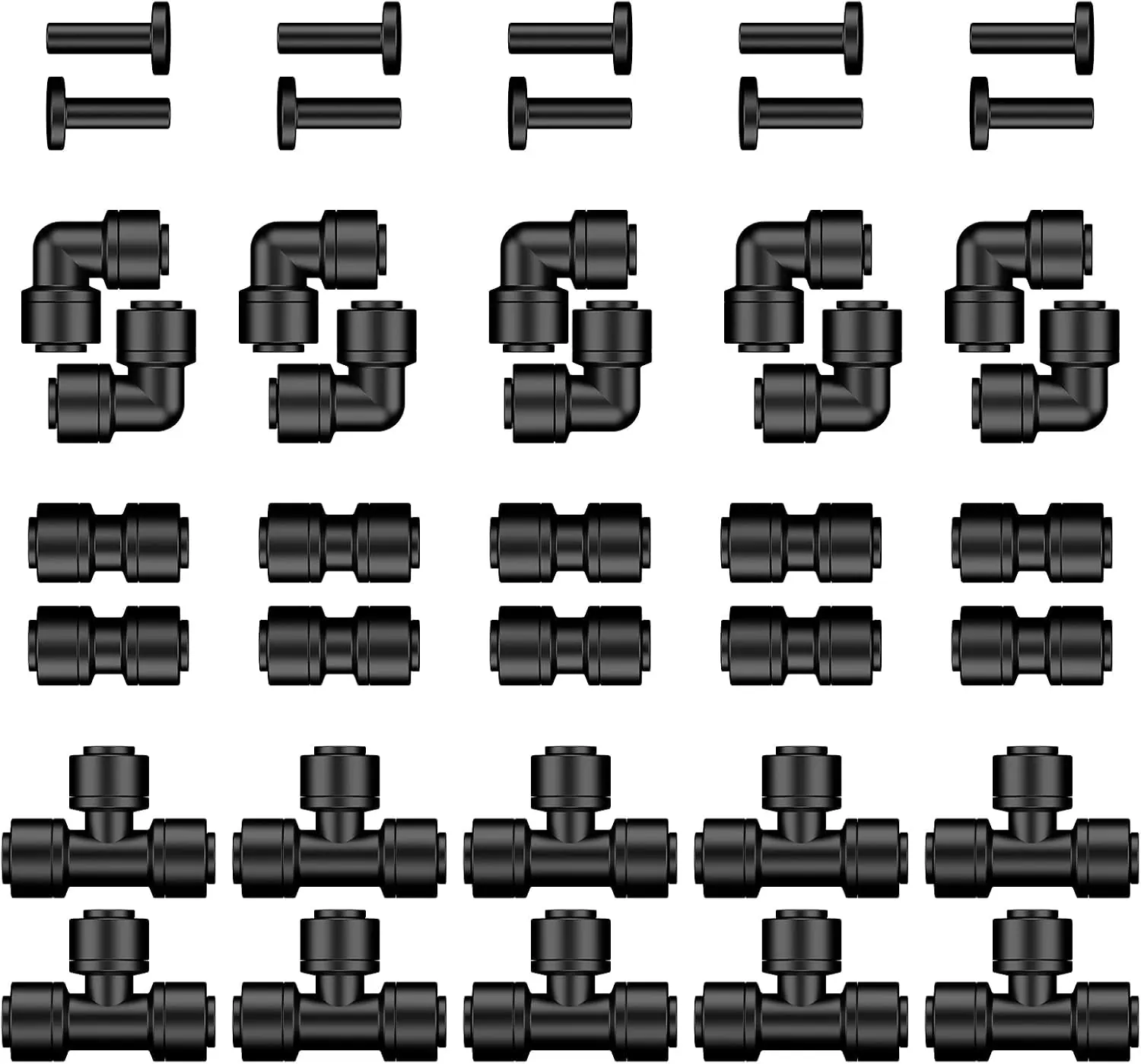
The Pawfly 20-piece quick-connect fitting set lists compatibility with tubing 0.60–0.64 in OD, approximately 15.24–16.26 mm OD. That specified range is more useful than its nominal 1/2 in label. Confirm the currently selected variant and product instructions before purchase.
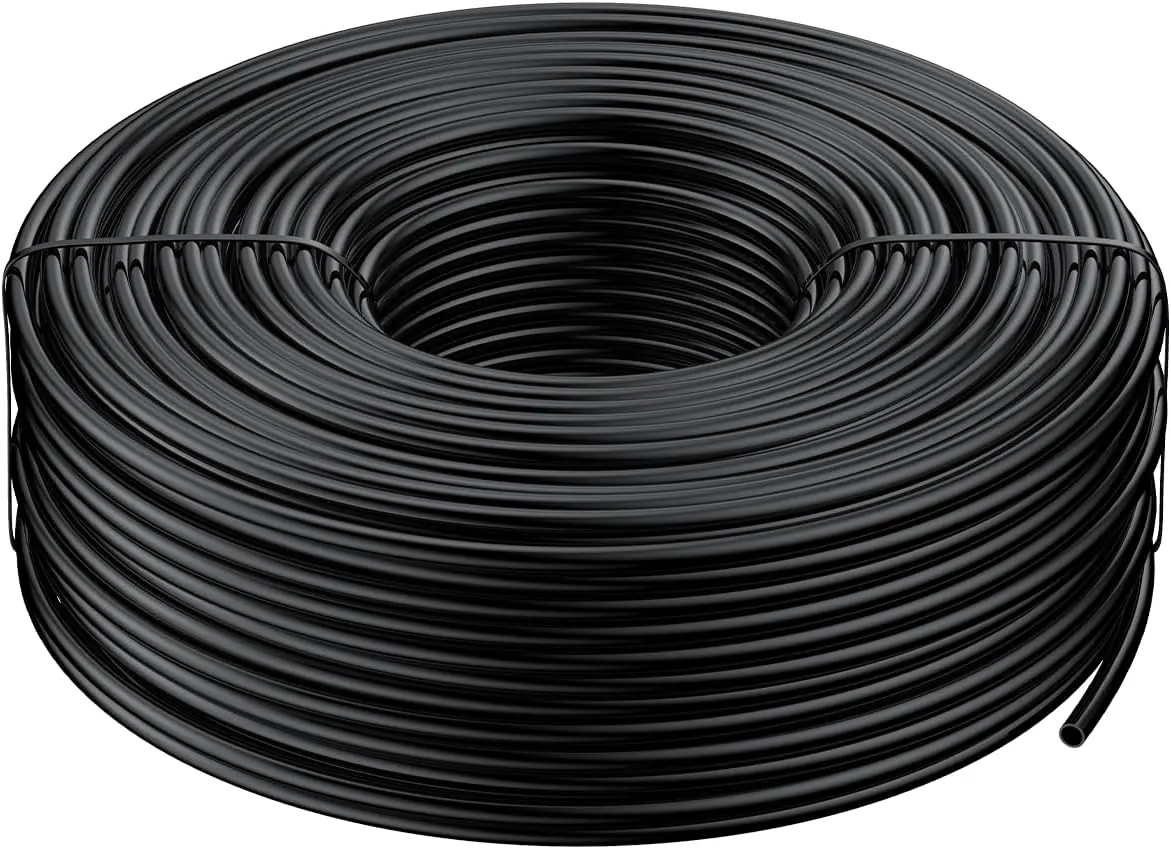
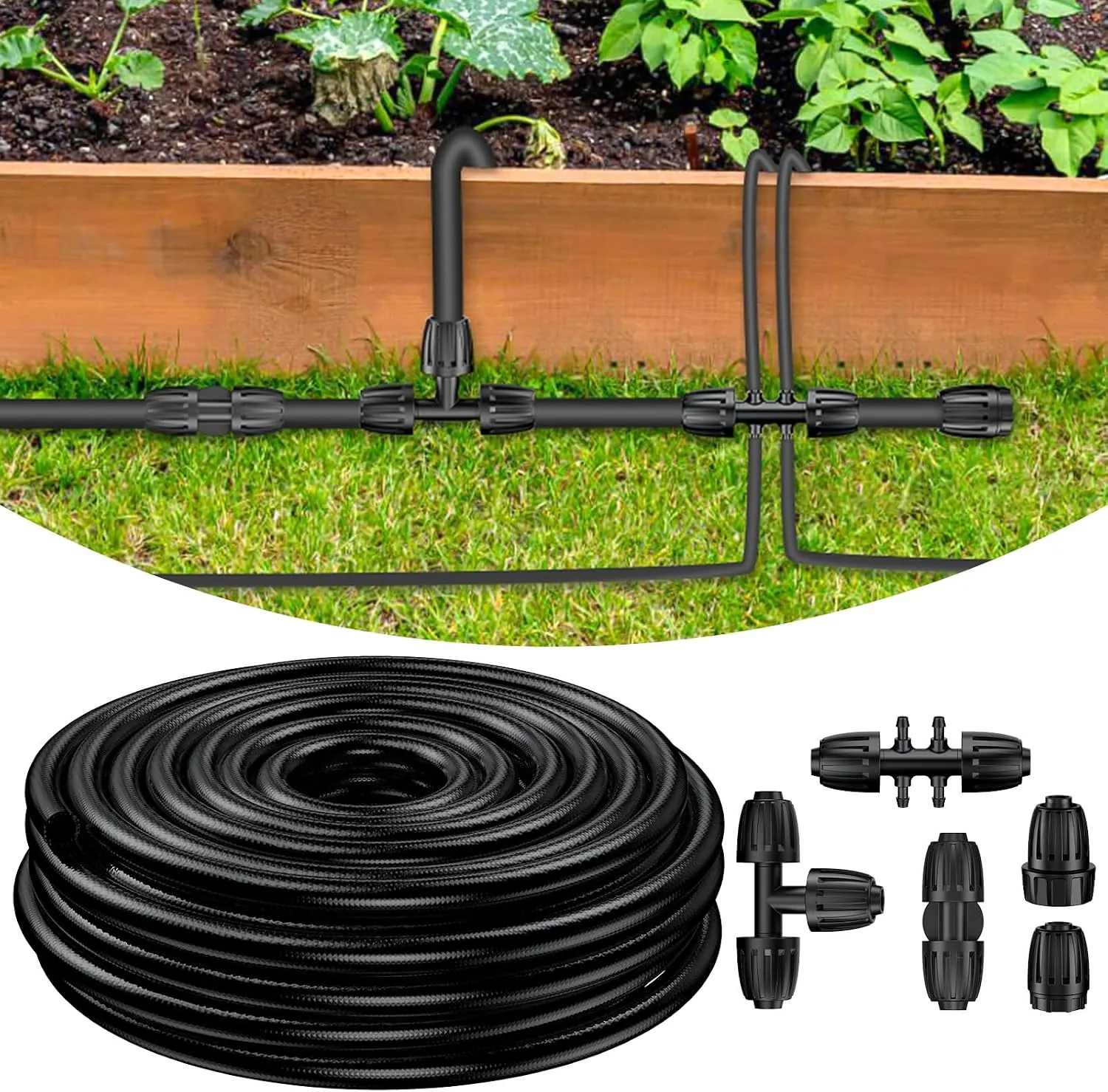
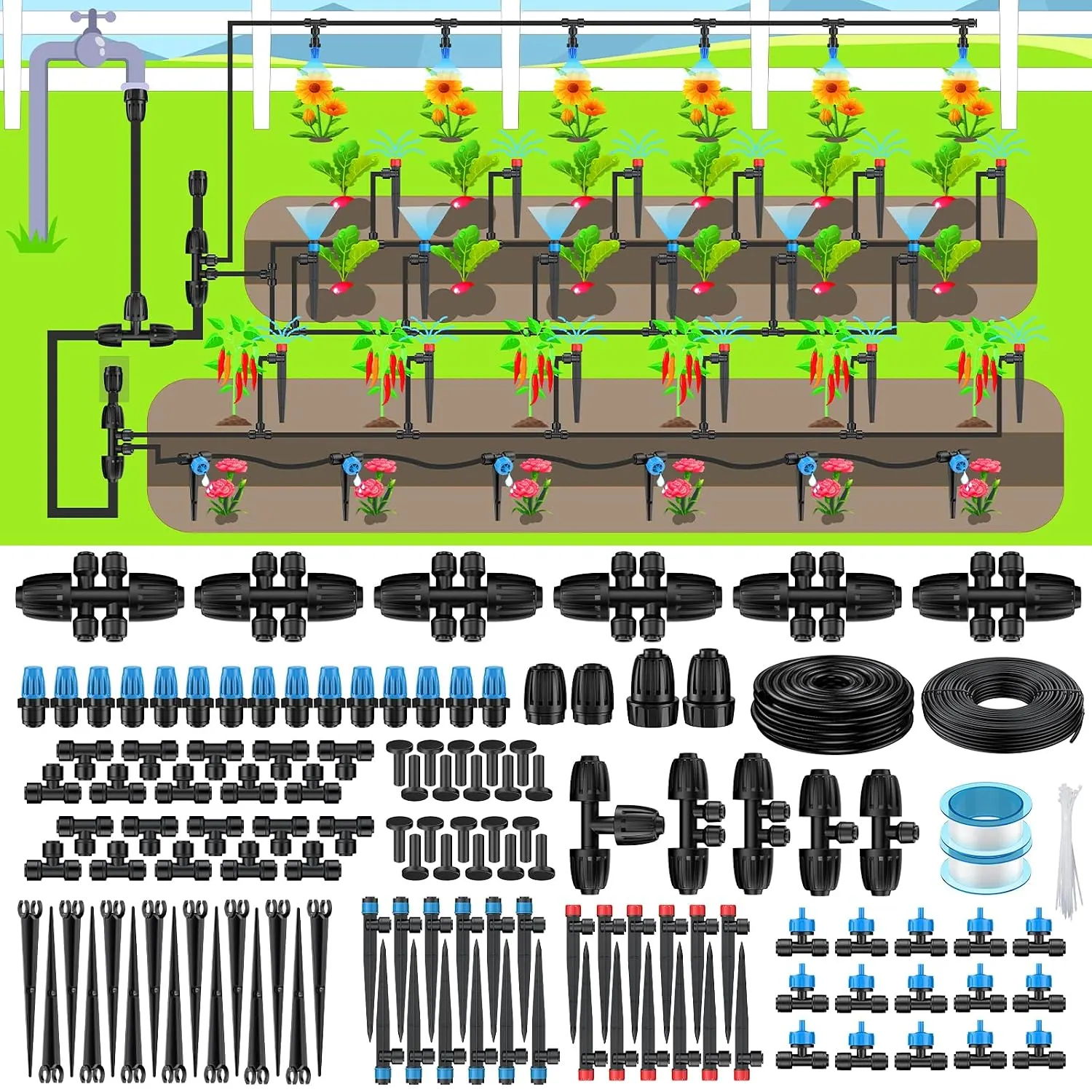
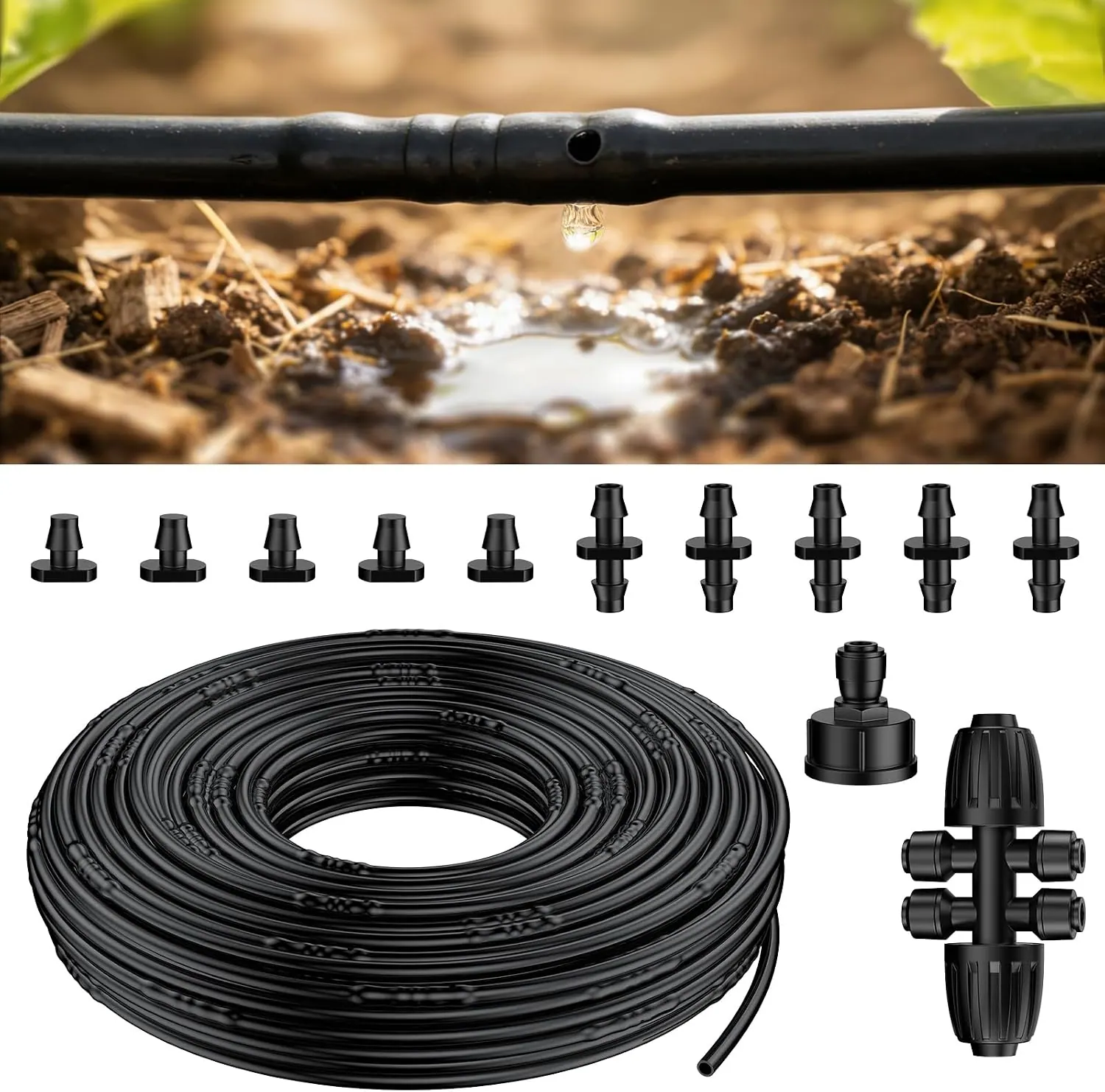
The catalog also includes Pawfly 1/2 in flexible PVC tubing and 1/4 in PE tubing. Their names describe different materials and nominal families; this guide does not claim that either one fits every connector shown. Compare the actual dimensions on the chosen tube and fitting, and request clarification through Pawfly support when a dimension is missing.
Build a small sample first
Measure a clean, square-cut tube end with an appropriate measuring tool without crushing the wall. Check the documentation against the reading. Assemble one connection following its instructions, pressurise within the lowest component rating and watch for leaks or tube movement. Depressurise before disassembly. Check again after the installation has experienced normal temperature changes.
Lay out outlets for the crop's root positions before cutting all branches. Young transplants and mature plants may need different wetted areas. Soil spread and container size determine useful placement; fitting compatibility does not determine watering frequency.
Check delivery, then set runtime
With the whole zone operating, collect equal-time samples from near and far outlets. Express measured discharge in L/h or US gph; 1 US gph is approximately 3.78541 L/h. Use measured runtime rather than assuming a nominal tube size guarantees flow.
After rain or a hot spell, revise watering from root-zone observations, not by changing connections or raising pressure. Containers and bed soil may need separate zones. Browse hose accessories, keep a record of each tube/fitting combination, and consult the uneven-flow guide when a sound connection still delivers poorly.