Diagnose the pattern before changing the timer
Mark which outlets are weak: one head, the far end of a branch or the entire zone. Longer runtime can overwater healthy plants while leaving a faulty outlet unresolved. This sequence applies to small bed and container systems; use the specific equipment instructions for cleaning, pressure and filtration limits.
Start by observing the affected plants' rooted soil. Check the transplant root ball, not just a nearby wet patch. As plants mature, an unchanged outlet position may wet too little of the root area even when flow is normal. Containers may also drain or dry differently from the bed.
Establish a measured baseline
Operate the complete zone at its usual settings. Collect water from a healthy-looking outlet and a weak one for the same five-minute interval. Include the beginning and end of a line. Convert output with mL × 60 ÷ minutes ÷ 1,000 = L/h; divide L/h by 3.78541 for US gph.
For example, cups containing 200 mL and 80 mL in five minutes represent 2.4 and 0.96 L/h (0.63 and 0.25 US gph). Those are illustrative readings, not test results for Pawfly products. The difference tells you where to investigate; it does not identify the cause by itself.
If one outlet is weak
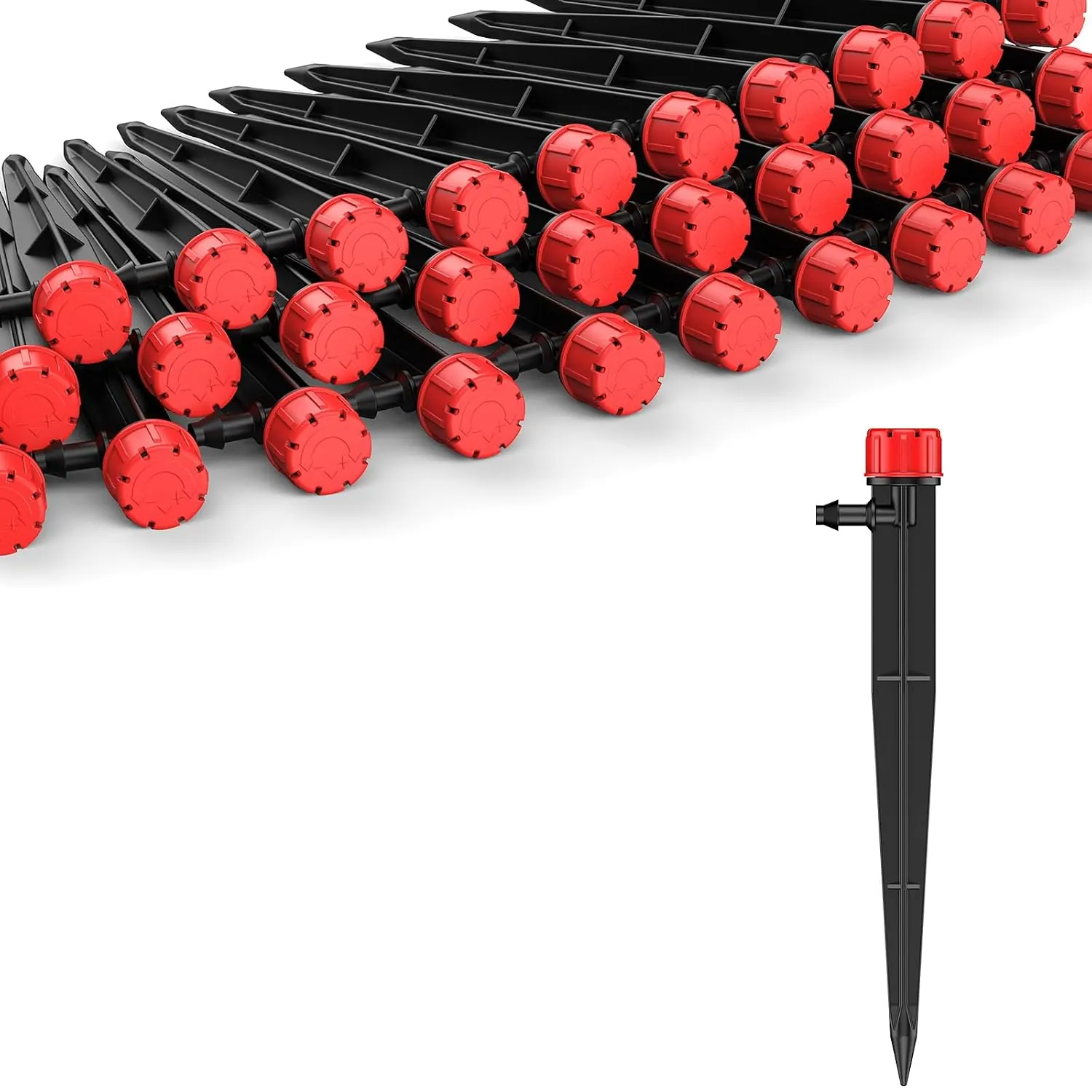
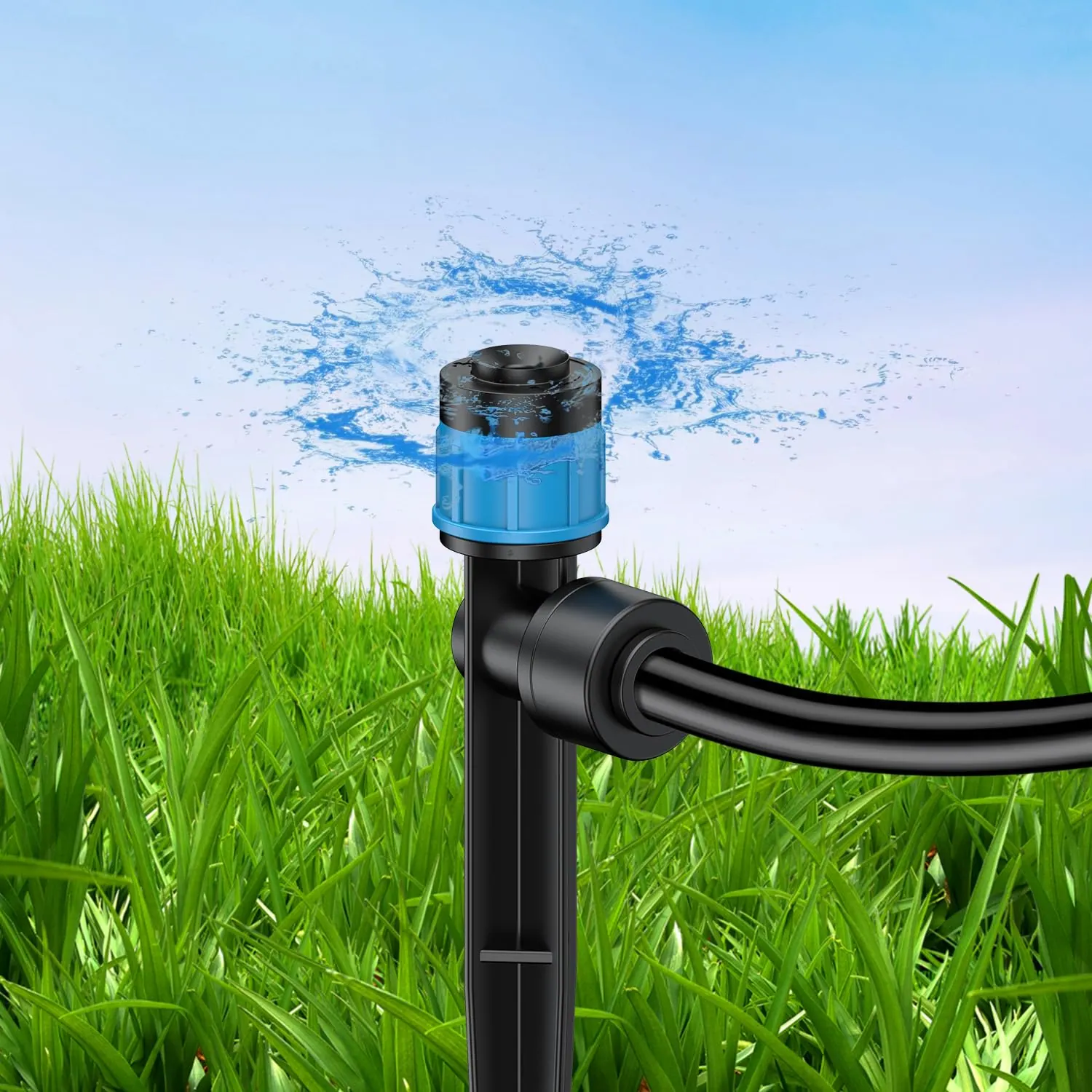
Check whether an adjustable head is closed, whether its branch is kinked, and whether soil covers its opening. With water off and pressure released, inspect removable parts as the product instructions allow. If compatible, swap the suspect head with a working one and repeat the catch test: a fault that moves with the head suggests the head; a fault that stays at the position suggests the branch or supply.
Do not enlarge calibrated holes with a needle or drill. Replace a damaged head rather than assuming an enlarged opening will remain uniform. Avoid unapproved chemical cleaning, especially in a mixed-material system.
If the far end or whole zone is weak
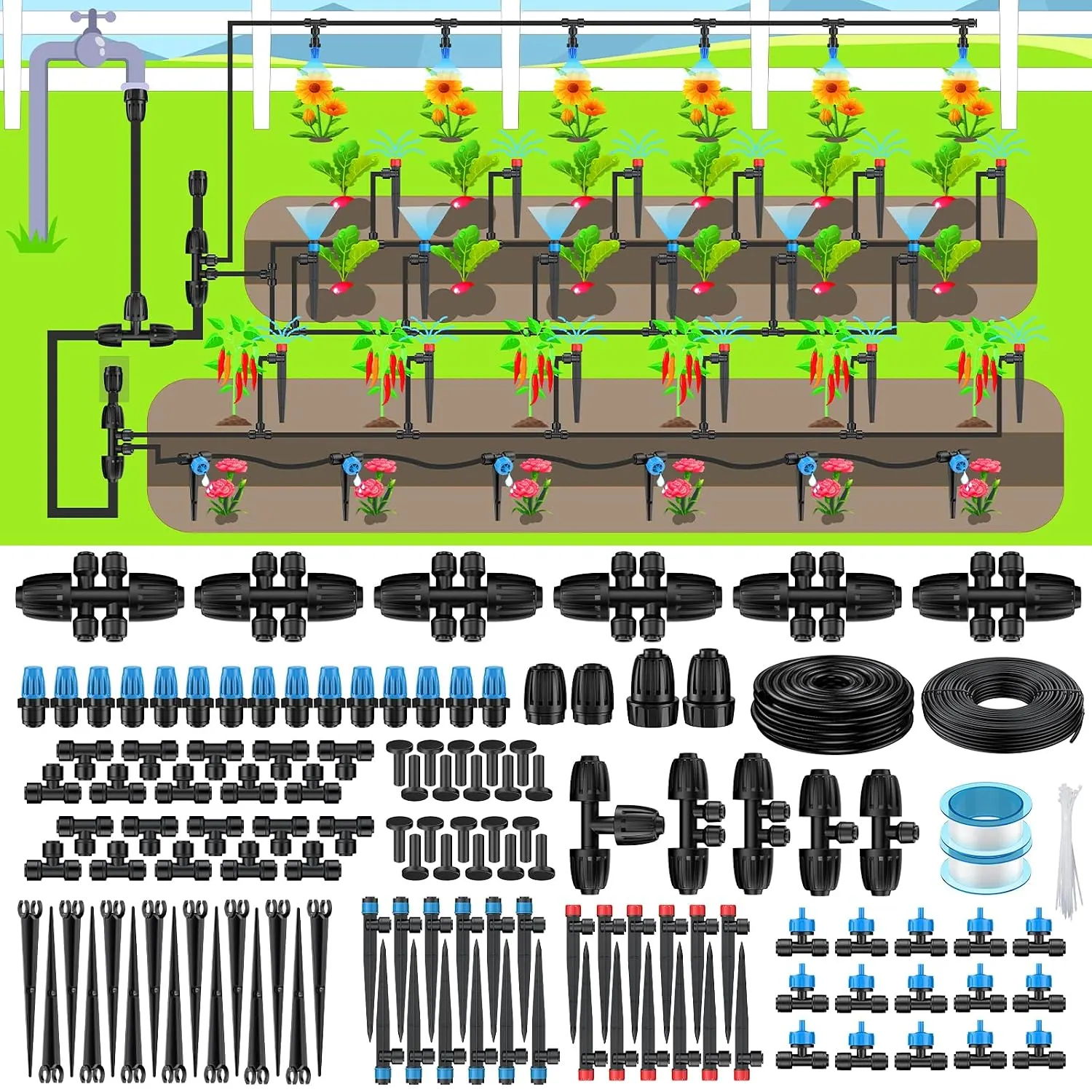
Inspect the supply valve, filter, regulator direction, leaks and crushed sections. A filter or restriction can affect multiple outlets. Compare the complete zone with a smaller section running: improvement is a clue to demand or pressure loss, not proof that the source pressure should be increased. Check the exact manufacturer's limits for lateral length, total flow and pressure.
Flush accessible line ends according to the component instructions, then close them and repeat the same measurements. Filtration, pressure control and flush access belong in the original layout. University of Minnesota system setup guidance
When measured flows are similar but plants differ
Compare outlet position, wetting spread, plant stage, sun exposure and soil or container volume. Sample beside and between outlets after infiltration. Rain may reach open beds but miss covered ones; heat and wind may dry edge pots faster. Do not treat wet-root wilting as automatic evidence of drought. If persistent plant symptoms remain after water delivery is verified, seek local crop advice.
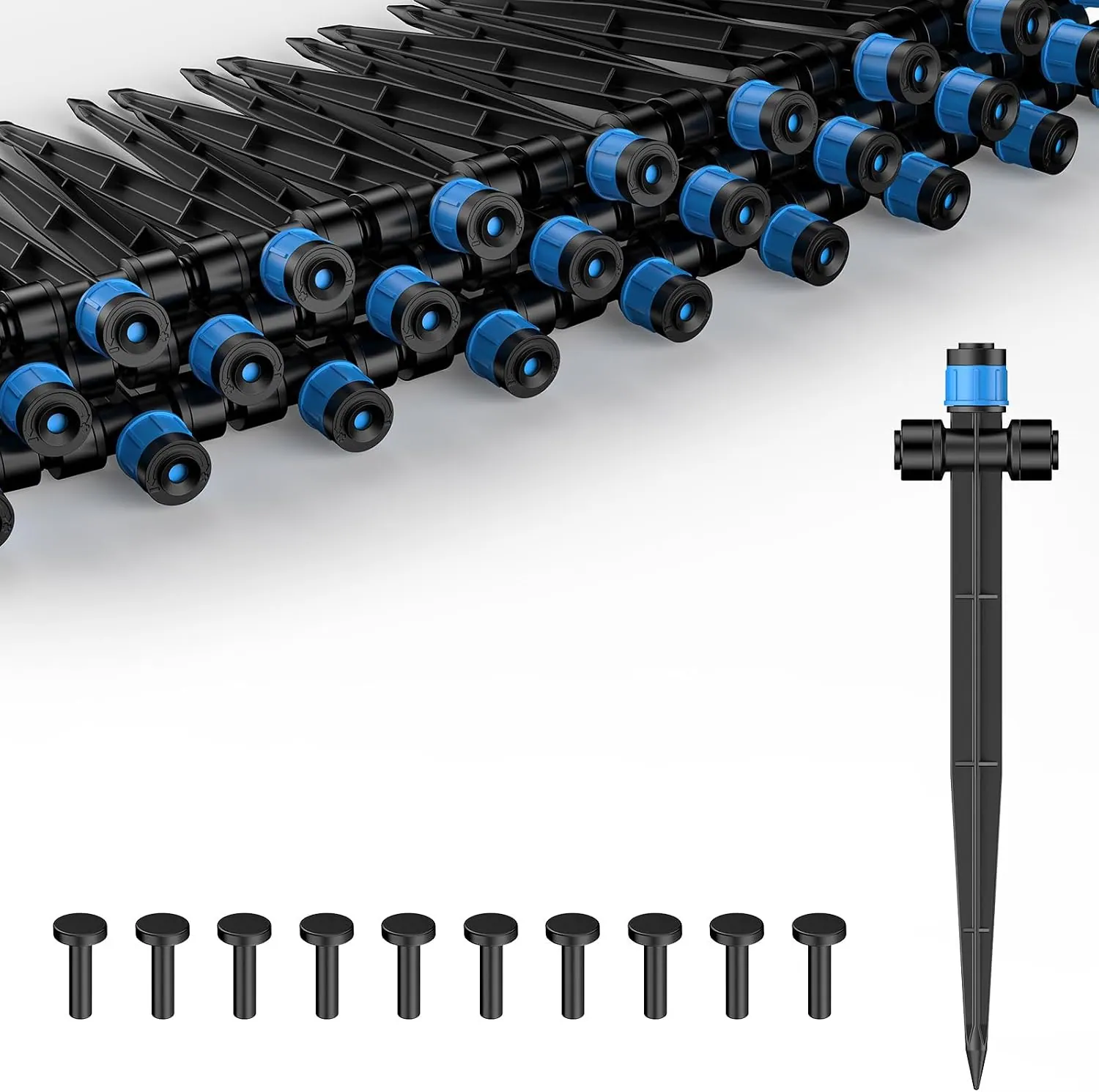
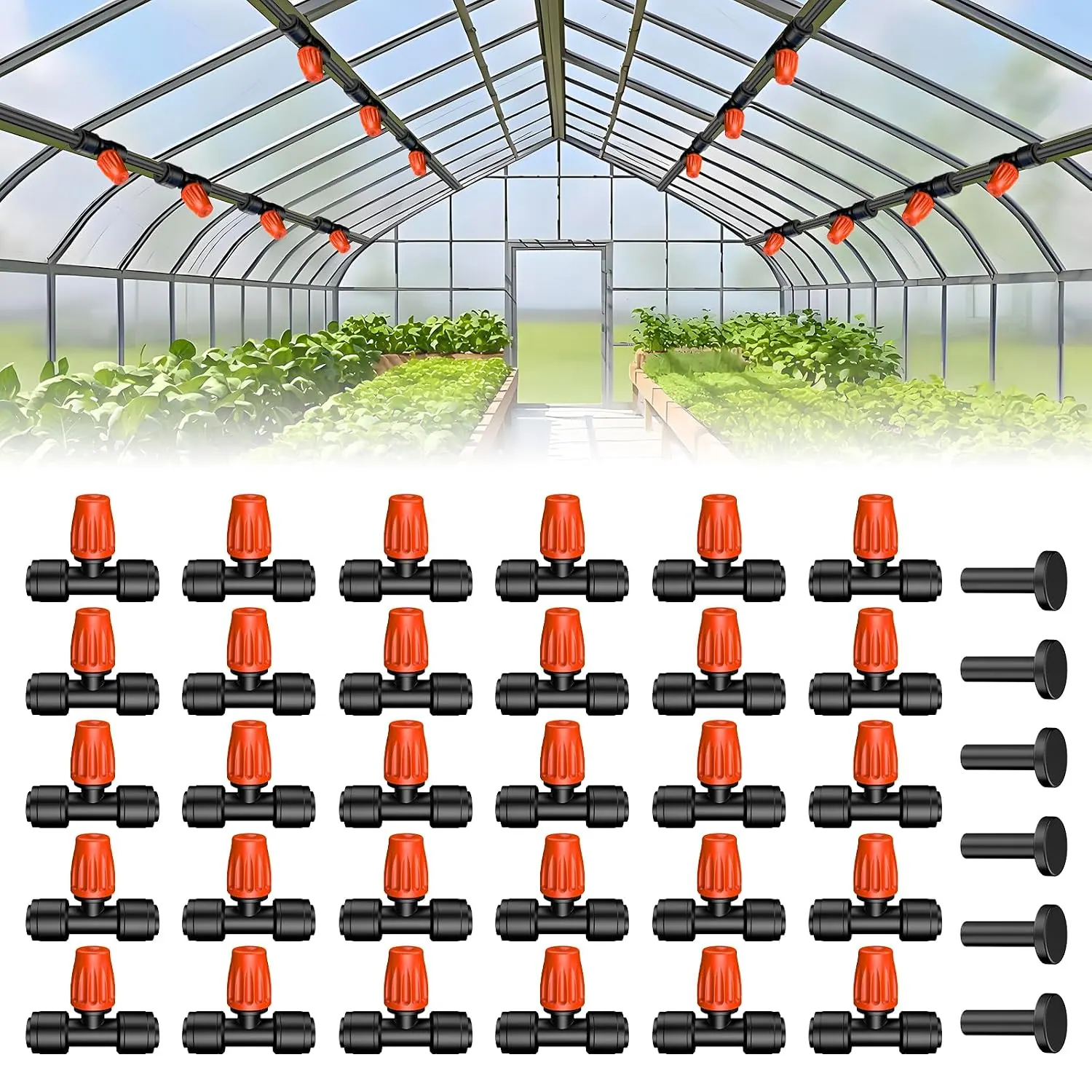
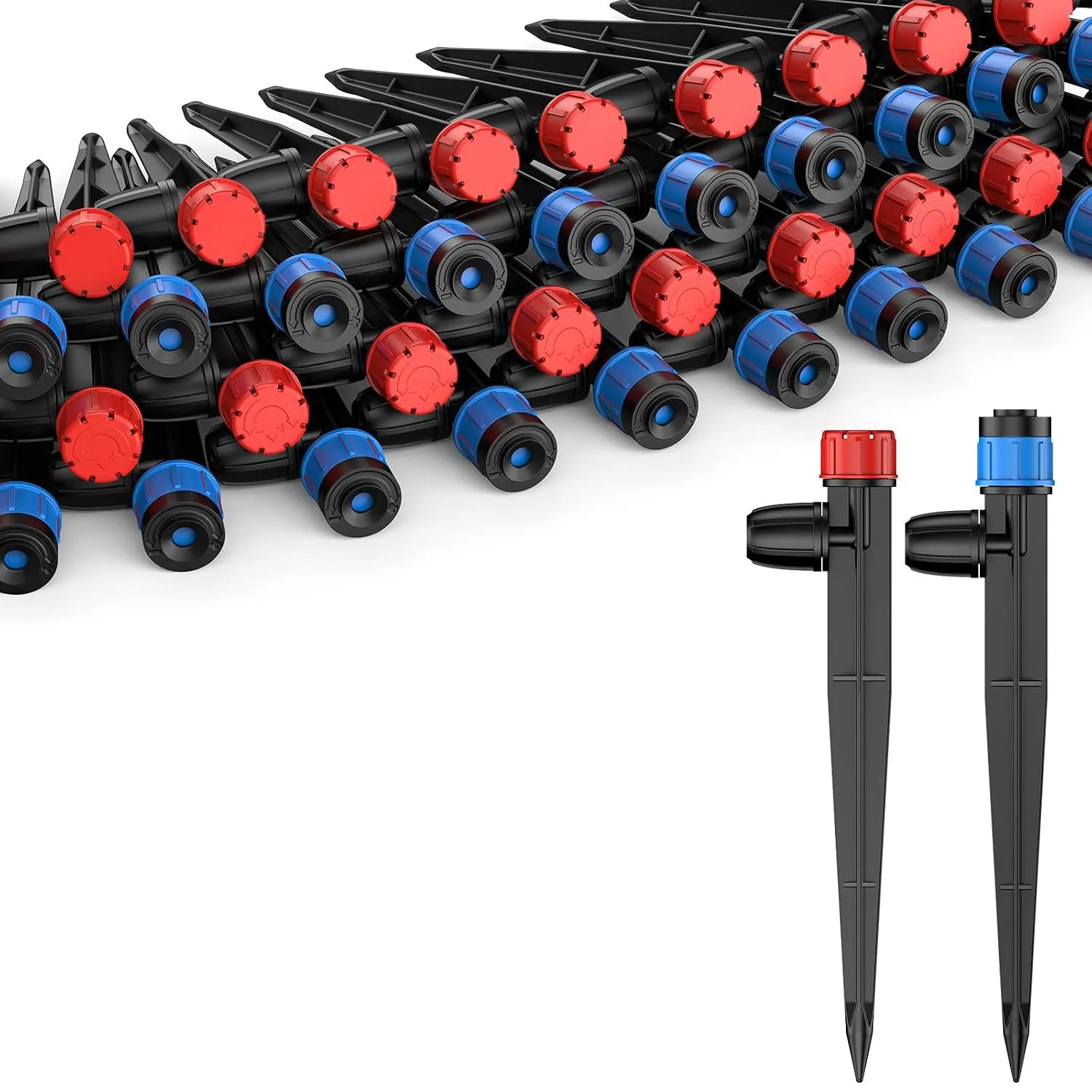
After a repair, record collection volumes, runtime and root-zone response. Recheck later to see whether the problem returns. Use the runtime worksheet, inspect compatible fittings, and compare replacement emitters, including the Pawfly adjustable family, against your actual tubing and operating conditions.