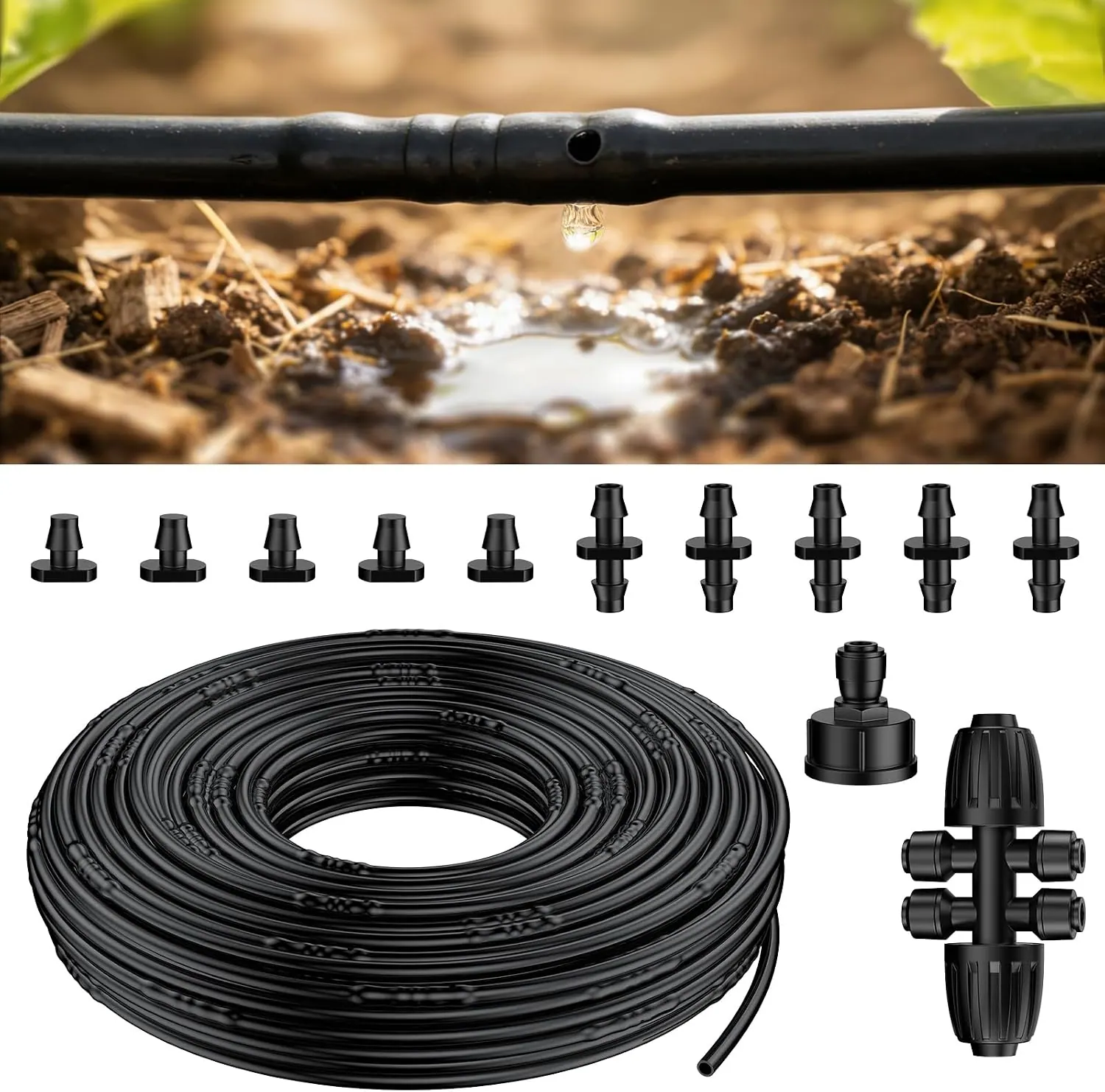
Choose a bed or container setup
This method is for strawberries in a garden row, raised bed or planter with drainage. June-bearing and day-neutral plantings have different production patterns, so record what you grow and the current stage rather than assigning a single seasonal watering calendar. Keep containers on a separate zone if they dry much faster than the bed.
Strawberries require attention to soil moisture, especially while plants establish and fruit develops. Continue appropriate care after harvest rather than treating the end of picking as the end of the plant's needs. The University of Minnesota guide explains cultivation and seasonal care; its regional calendar should be adapted to your climate. Growing strawberries
Lay out water along the planted row
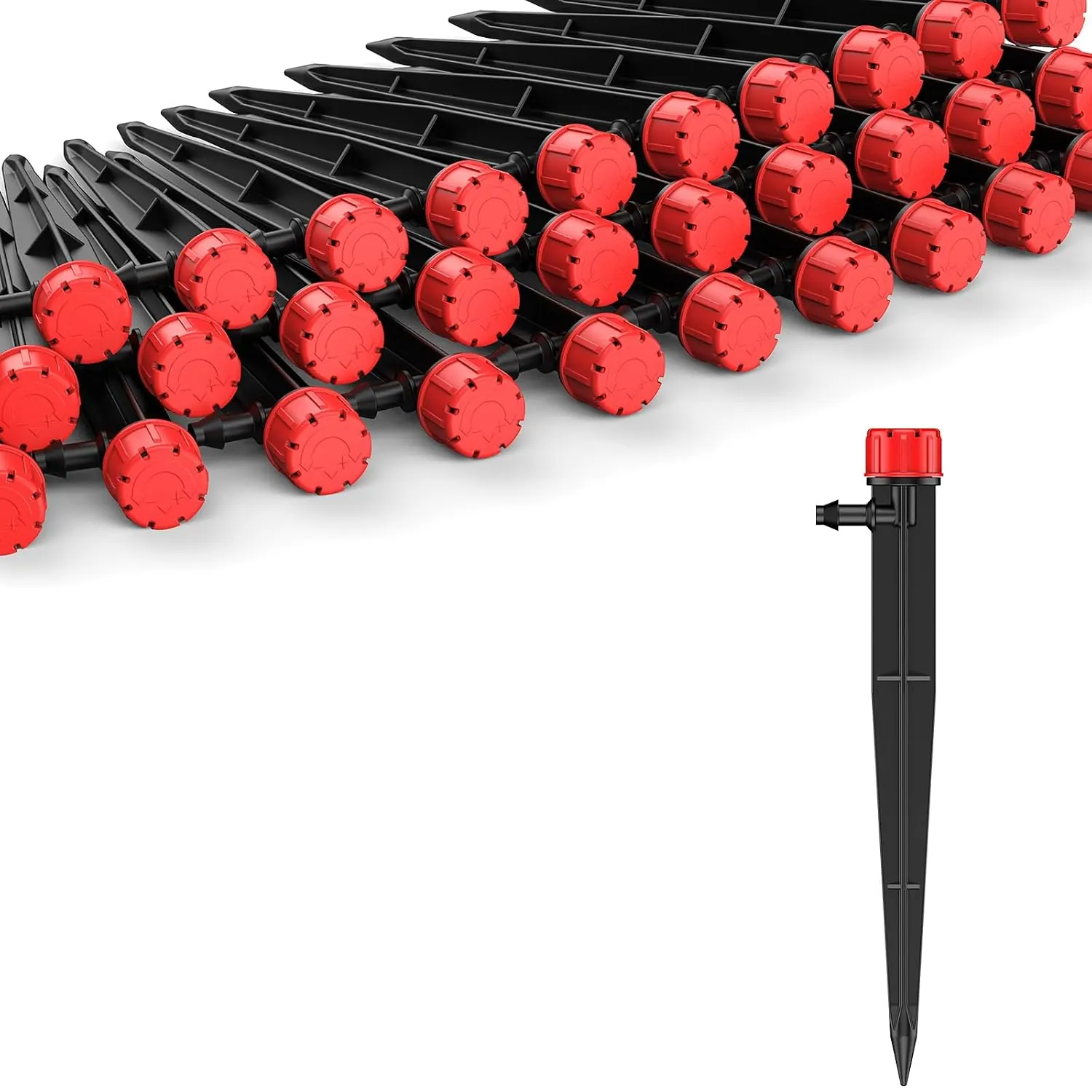
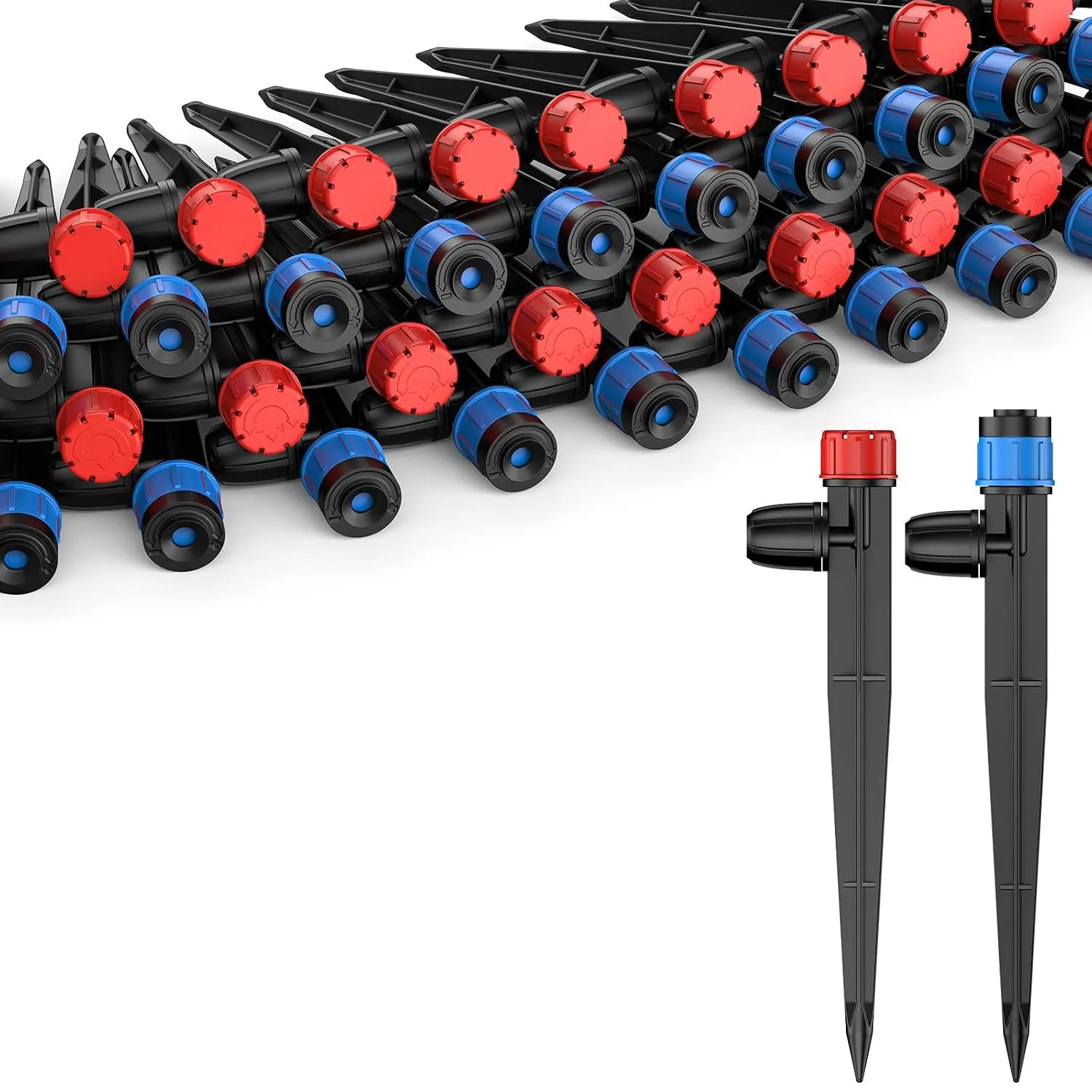
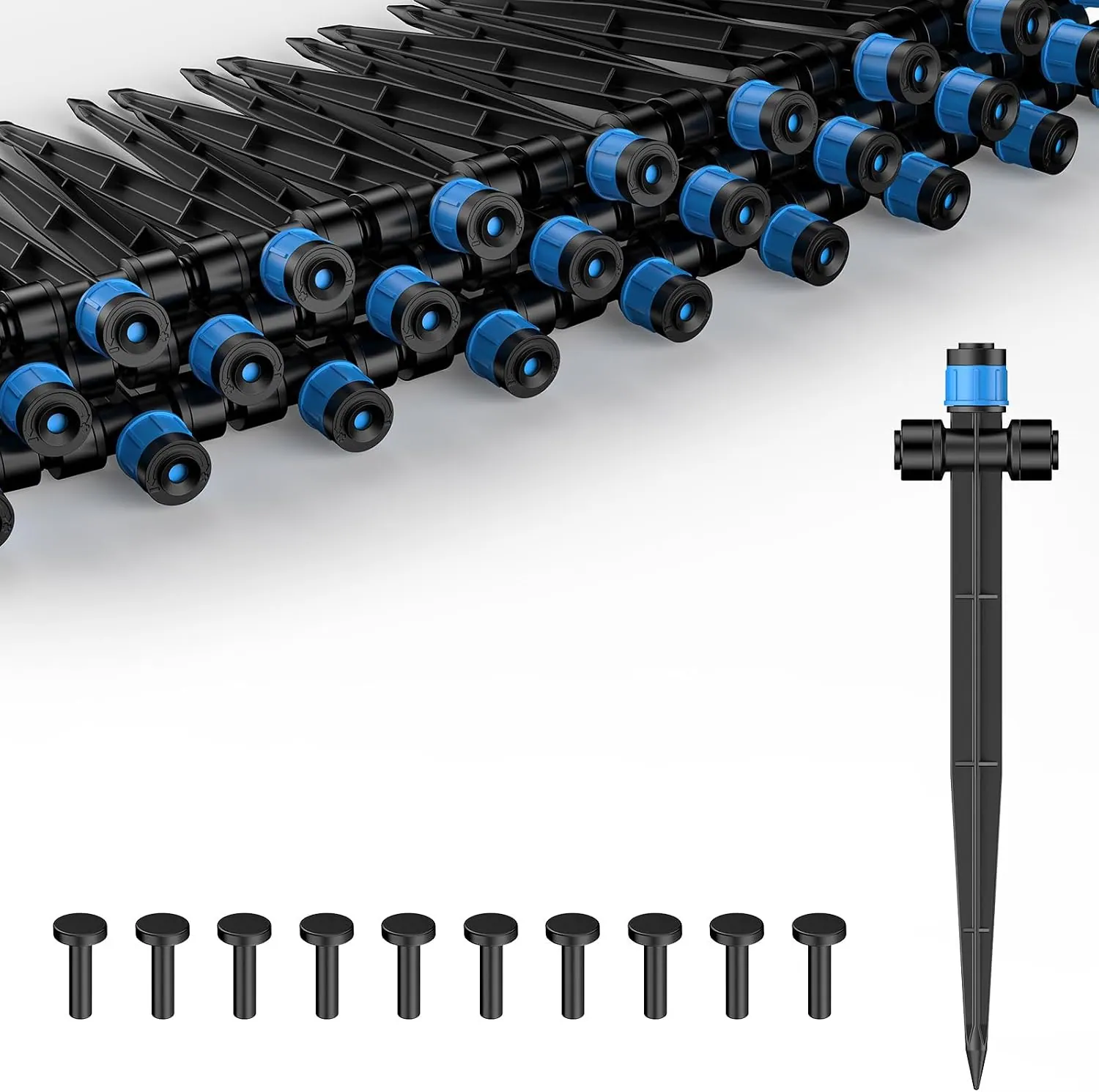
Locate crowns and roots before securing tubing. Run emitter tubing beside the row, or use individual outlets beside each plant. Do not aim an outlet directly into the crown. Arrange accessible flush ends and leave room to inspect under mulch. Avoid routing tubing where a hand tool or harvesting footstep can flatten it.
For a newly established planting, confirm that water reaches each small root zone. As the row fills out, inspect between plants for dry gaps. A dense strip and an individual pot may need quite different outlet arrangements even when they share the same cultivar.
Check the wetting pattern
After a trial cycle and infiltration, inspect a small soil sample beside an outlet and midway to the next plant. Start around 5–10 cm (2–4 in) below the surface and check farther within the rooted layer where appropriate, taking care around shallow roots. Look for moist soil rather than persistent saturation. If sandy soil produces separate narrow wet patches, changing placement may work better than simply running longer. In a planter, check several positions because water can bypass dry potting mix.
Measure flow before choosing runtime
With the complete zone operating, catch water from representative outlets near the start, middle and end for the same interval. Convert millilitres collected to L/h using mL × 60 ÷ minutes ÷ 1,000. Divide L/h by 3.78541 to express US gph. Do not mix US gallons with imperial gallons.
As an arithmetic example, a row section with four outlets measured at 1.5 L/h each (0.40 US gph each) receives 6 L/h (1.59 US gph). Delivering a selected 1.5 L (0.40 US gal) trial volume would take 15 minutes. This is not a recommended strawberry dose. Inspect the actual wetted area, then adjust. Runtime calculation guide
Respond to rain and heat
Check soil under mulch after rainfall; water reaching an open path may not represent water reaching a covered row. In hot, windy conditions, inspect more often, particularly in small planters. Recheck settings when fruiting ends, growth changes or temperatures fall. Avoid continuing a high-demand setting through a wet, cool period.
A weekly check should include outlet flow, blocked drainage, leaks and wet or dry patches around individual plants. Diagnose a low-output outlet before increasing the entire zone's runtime. Troubleshooting guide
Select parts by layout
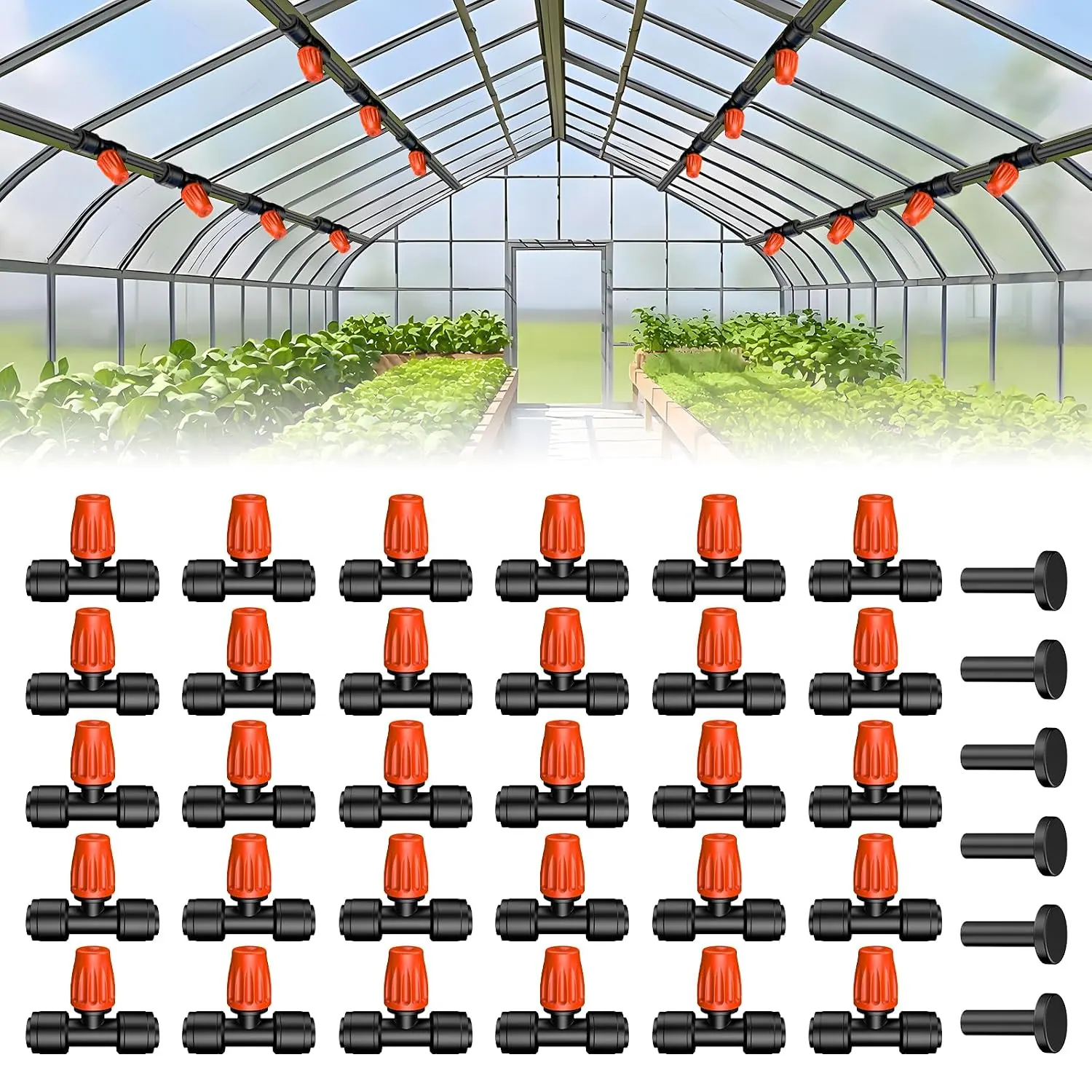
Explore irrigation tubing and Pawfly inline emitter tubing. Its listed 6 in (15.24 cm) spacing must be checked against the soil's wetting pattern, not assumed to match plant spacing. For raised beds, use the layout guide.